Local Heroes From History
4 months ago
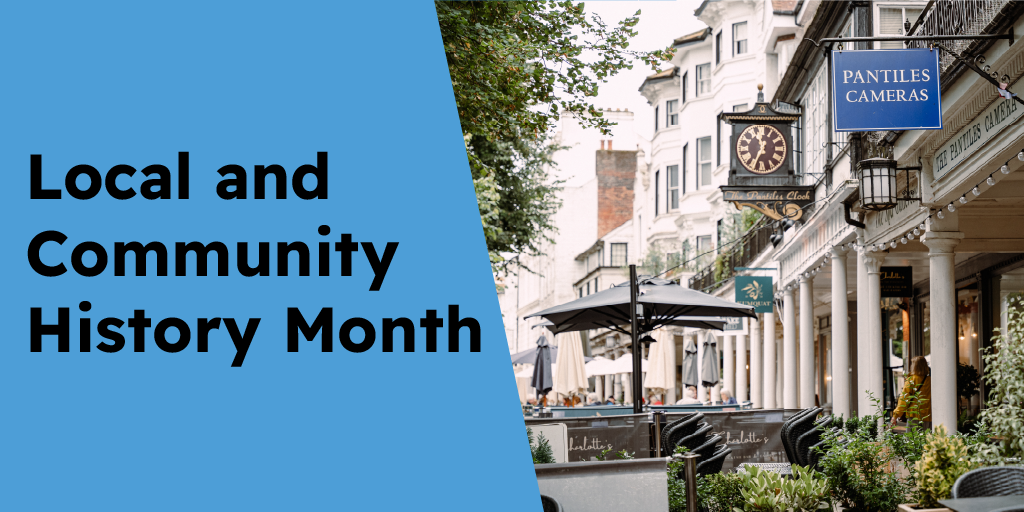
This local and community history month, we’re celebrating the history of communities in Sussex, Surrey and Kent, encouraging residents to explore the history of their homes, streets, and towns! Below are some stories of local heroes who helped shape the way the area looks today.
Mark Lemon, Crawley (served by multiple routes)
Originally born in London, Lemon moved to Crawley around 1858 with his wife and 10 children, where they lived in an old farmhouse on the high street. As the founder of humorous magazine ‘Punch’, Lemon would catch the train into London to his offices, making him one of the areas earliest commuters. He was also instrumental in the community life of Crawley at the time, setting up several cultural and sporting organisations, organising streetlighting along the high street and raising money for the town’s first fire engine. A blue plaque exists outside the George Hotel on the High Street (not far from Crawley Bus Station) where Lemon used to hold editorial meetings for Punch.
Dudley North, 3rd Lord North, Tunbridge Wells (routes 231, 284, 291)
According to historical accounts, the reputation of Tunbridge Wells is largely down to a discovery made by North, who is said to have stayed at Eridge House near Tunbridge Wells in 1606 seeking a cure for a ‘lingering consumptive disorder’. Intrigued by the appearance of a local spring, which had a shiny coating on top of the water, he had some bottled and taken back to London for testing by physicians. Having confirmed the water may have beneficial properties, North is said to have returned to Eridge for 3 months, after which time he was totally cured. News of the spring circulated, and noble visitors flocked from London. Soon a hamlet was established near the spring which became Tunbridge Wells. Visitors today can admire the spring (situated in the Pantiles) and even purchase some of its medicinal water.
Dame Caroline Haslett, Three Bridges (served by multiple routes)
Born in Worth and living most of her life in Three Bridges, Haslett trained as an engineer during World War One and later became editor of ‘The Woman Engineer magazine’. Always a campaigner for women’s equality, she helped the government improve science education for girls and was also a member of the suffragette movement. Haslett was the first director of the Electrical Association for Women and worked as a safety expert for the government, advising on plugs and sockets within the home. Made a Dame in 1947, Haslett paved the way for women working in STEM today. A blue plaque is situated near Three Bridges Station on the road named after her (Haslett Avenue East), near her childhood home area.
Use our journey planner to visit any of the blue plaques or locations mentioned in the article.